
Planning a holiday to Malta in 2026 is like getting ready for a year-long festival of culture, nature and discovery
24 December 2025
- whether you’re an art lover, history buff, foodie, walker or simply someone who enjoys sunshine and sea breezes. From January’s baroque concerts to autumn candlelit city streets, here’s a friendly guide to help you make the most of your Maltese escape.
Festive Highlights Through the Year
Malta’s calendar is packed with vibrant celebrations. If you time your trip right, you’ll be swept up in local traditions and joyful gatherings:
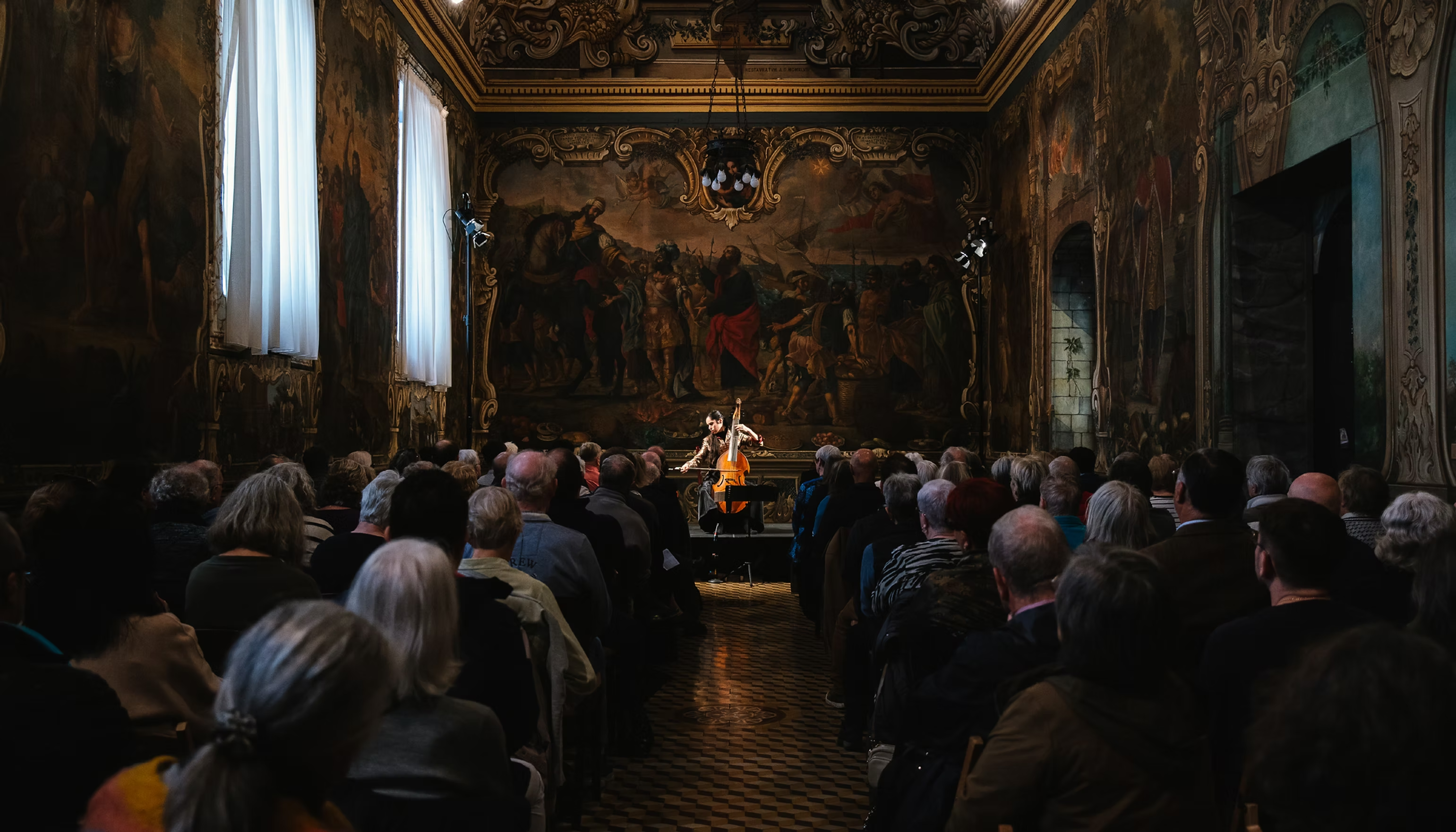
• Valletta Baroque Festival (8–25 January 2026). Start your year with sublime baroque music performed in historic venues across Valletta. Expect everything from Monteverdi to Bach against the backdrop of St John’s Co-Cathedral and Teatro Manoel.
• Carnival (mid-February). A riot of colour, flamboyant costumes and parades transform Valletta and towns like Nadur on Gozo into lively, playful scenes.
• BirguFest (October). Streets of the historic city of Birgu (Vittoriosa) glow at night under candlelight with music, food stalls and artisan markets — one of Malta’s most enchanting festivities.
• Mużika Mużika (March), Malta International Arts Festival (June), Malta Jazz Festival (July), Notte Bianca (October) and The Three Palaces (October). Celebrating music, performance and arts with events across town squares and historic sites, these festivals offer cultural richness for all ages.
No matter when you visit, pop into local village festas in summer — street bands, fireworks and feasts are almost weekly events.
Discover Malta’s Natural Side
Malta isn’t just about history and festas — it’s a great place for nature walkers too. The island’s garrigue landscape (a low scrubland of limestone hills) bursts into life in spring with endemic and indigenous wild plants such as:
• Barbary nut iris - brilliant blue flowers that open in early afternoon, often spotted along coastal paths.
• Blue stonecrop - tiny colorful succulents that thrive in rocky ground.
• African tamarisk - a shrub with delicate white blooms near the sea.
These and other wildflowers are particularly visible in places like Majjistral Nature and History Park, where coastal trails wind through diverse habitats and offer spectacular Mediterranean vistas.
Dive into History with Special Homes & Museums
Malta’s history is wonderfully tangible — especially in its historic house museums:
• Palazzo Falson – In Mdina, this medieval townhouse brims with art, antiques and curios, a real treasure trove.
• Casa Rocca Piccola – A 16th-century noble townhouse in Valletta filled with period furnishings, costume displays and Maltese lace collections.
• Casa Bernard – An atmospheric historic house in Rabat steeped in local life and architecture.
• Domvs Romana – An ancient residence showcasing Malta’s Roman heritage through mosaics and artefacts.
• Gran Castello Historic House (Gozo) – A fascinating glimpse into Gozitan life in the Cittadella.
• Villa Portelli (Kalkara) - this villa with its sun-dappled gardens was originally the home of Agostino Portelli, a distinguished businessman and statesman from Valletta.
These places offer a deeper sense of daily life across centuries and are quieter, intimate alternatives to bigger museums.
Contemporary Art Hotspots
Malta is not just about the past — its contemporary art scene is blossoming too:
• MICAS (Malta International Contemporary Art Space) – Housed within a beautifully restored historic complex in Floriana, MICAS is Malta’s first museum dedicated to contemporary art, with indoor galleries, outdoor sculpture gardens and dynamic programming bridging the historic and the modern.
• Valletta Contemporary – An independent art gallery in a converted Valletta warehouse showcasing works by Maltese and international artists through rotating exhibitions throughout the year.
• Spazju Kreattiv (St James Cavalier) – Malta’s national centre for creativity featuring art exhibitions, performances and media projects, perfect for catching something unexpected during your visit.
• Blitz - an artist-run contemporary arts space housed in a four-level, typical Valletta townhouse.
These venues make for wonderful cultural afternoons between walks and sunsets.
Seasonal Swimming & Outdoor Pleasures
While Malta’s winters are mild and refreshing rather than sunbathing-warm, dedicated swimmers frequently take invigorating dips in the crystal-clear Mediterranean year-round, especially on calm, sunny winter days. Spring and autumn are also excellent for swimming and hiking without summer crowds.
Friendly Tips for Your Maltese Trip
• Try local food - from pastizzi (savory pastries) to lampuki fish dishes and traditional rabbit stew.
• Walk the cities - Valletta, Mdina and the Three Cities are perfect on foot, with hidden alleys and sea views waiting around every corner.
• Mix culture and nature - combine visits to contemporary art spaces with wildflower hikes or coastal strolls for a balanced holiday.
• Find out about the local markets and farmer's markets. It's a great place to meet people and get the best of local produce at the same time.
• Beautiful Valletta is full of hustle and bustle both in the day and night. Make sure to visit and eat in one of its restaurants and bars but make sure to stay somewhere quieter if you want to make sure you have a good night's sleep.
• Traffic can be surprisingly slow in certain times of the day. The ferries from the Three Cities to Valletta and from Valletta to Sliema not only save you time but are also a great way of experiencing the fortifications from the sea.
• If you wish to experience the local way of life, don't go for accommodation in the usual touristic centres that guidebooks always seem to direct their readers to (St Julians, Sliema and, heavens forbid, Buġibba). Go for holiday rentals in other local villages and towns (Rabat, Birgu, Mdina, Siġġiewi and such).
Whether you’re drawn by history, nature or contemporary creativity, prepping for Malta 2026 means thinking beyond beaches — it’s about immersing yourself in an island rhythm that’s timeless, joyful and endlessly discoverable.


